The team at Endless is all about making Auckland scrap metal recycling simple, transparent, and efficient. Whether you’re clearing out household metal, finishing a job site, or managing commercial scrap, we accept a wide range of metals and materials through our licensed yards.
Our focus is on clear processes, responsible recycling, and competitive pricing, so customers know exactly where they stand when they scrap with us.
If you are constantly searching for ‘scrap metal near me’, Endless offers convenient locations, fast drop offs, and a straightforward weigh and pay process. We stay closely aligned with market movements to offer best scrap metal prices wherever possible, while maintaining compliant and environmentally responsible practices. From small one off drop offs to regular trade and commercial volumes, our team is here to help you recycle your scrap confidently and efficiently.
What Metals Do Endless Accept?
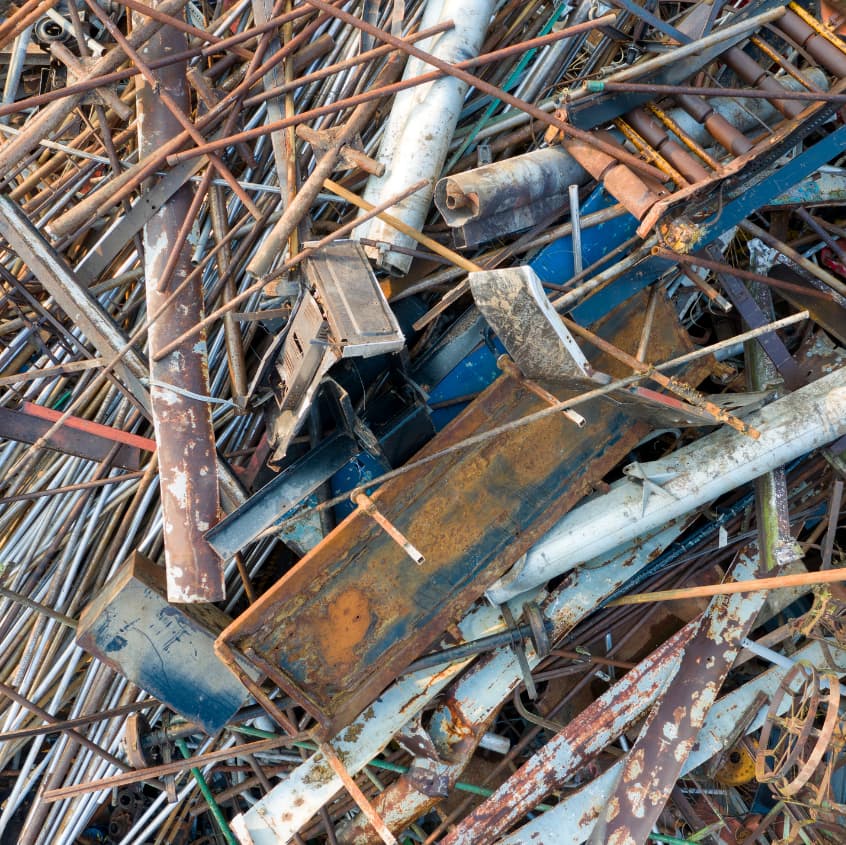
Steel is one of the most commonly recycled metals and is widely used in construction, manufacturing, and infrastructure. While lower in value than non-ferrous metal scrap, steel plays a major role in reducing landfill waste and supporting large-scale recycling.
steel
whiteware
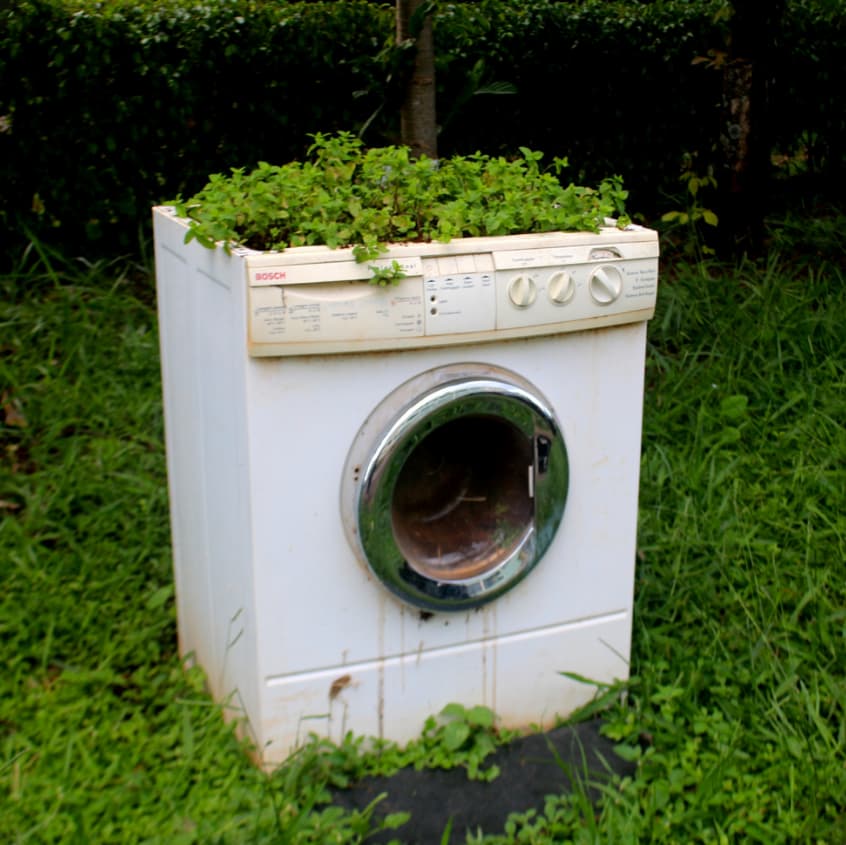
Whiteware includes household appliances such as fridges, washing machines, dryers, and ovens. These items contain recoverable metals and components and must be free from food waste, liquids, or hazardous materials before recycling.
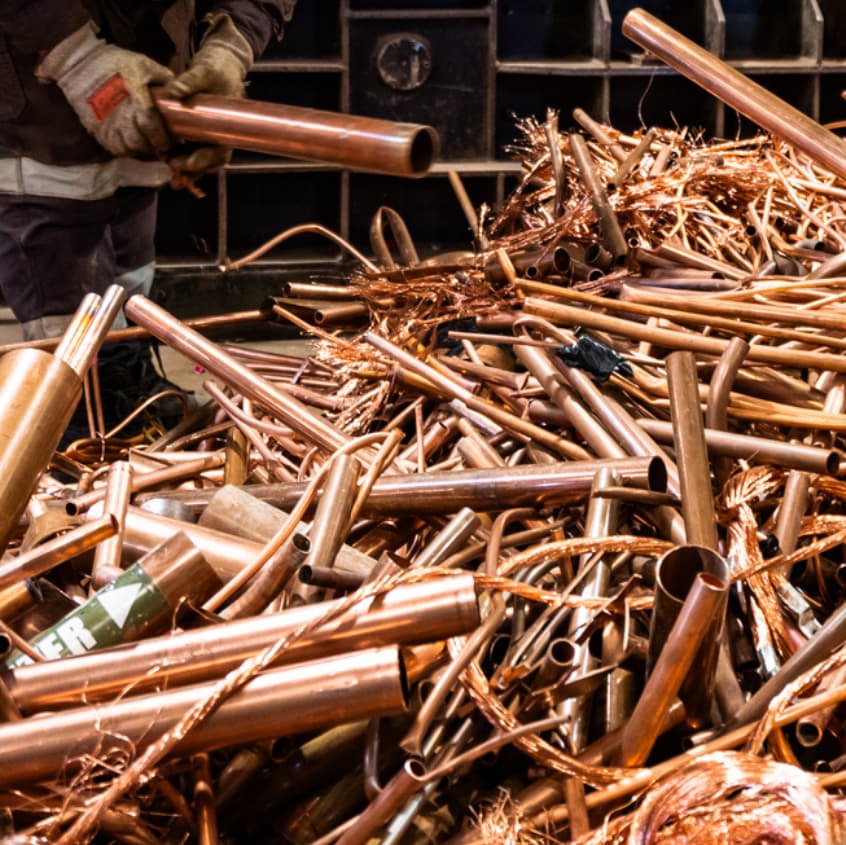
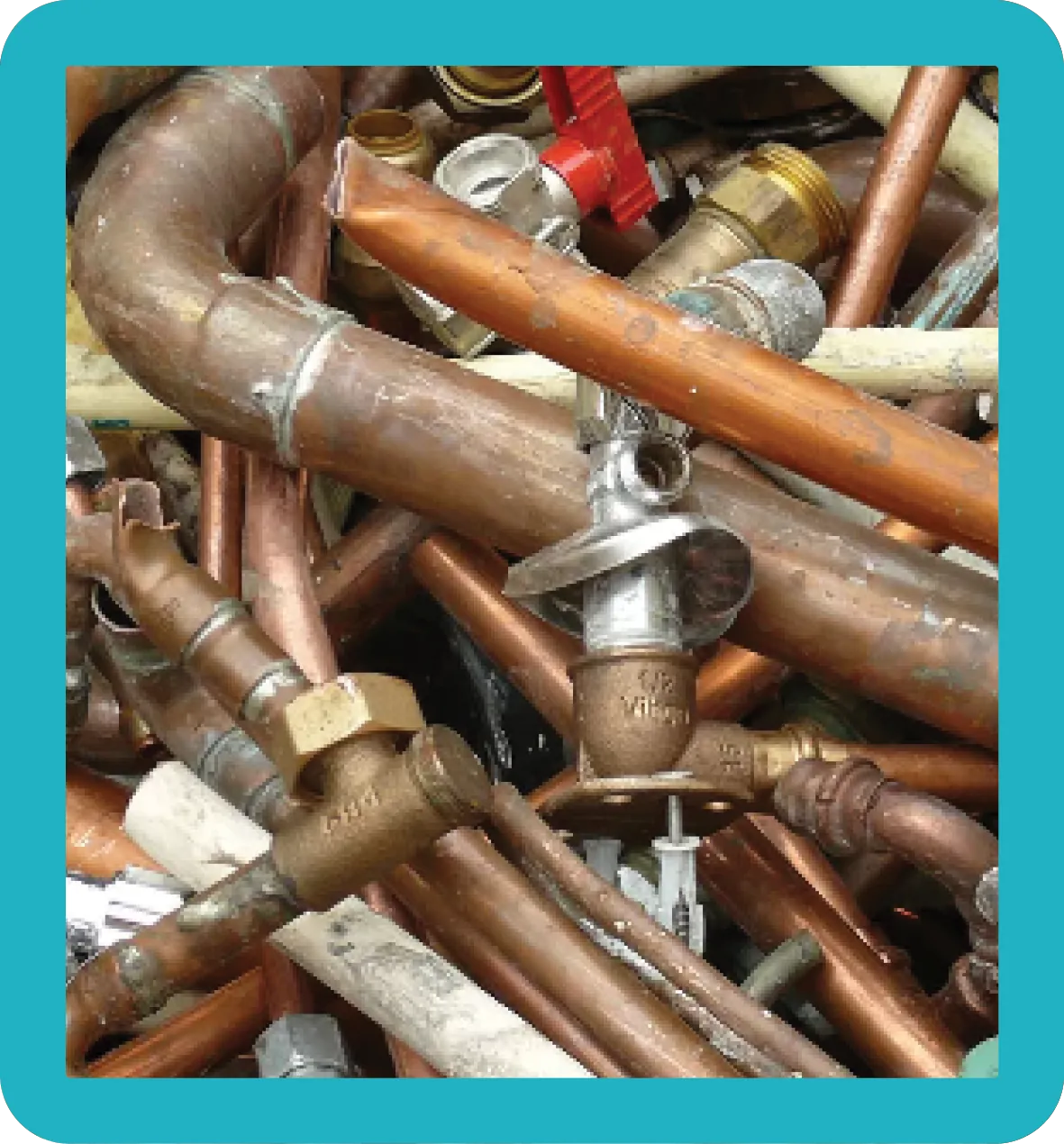
Copper is a high-value non-ferrous metal widely used in electrical wiring and plumbing due to its conductivity and durability. NZ scrap copper is graded based on purity and contamination, with cleaner copper generally attracting stronger pricing.
copper
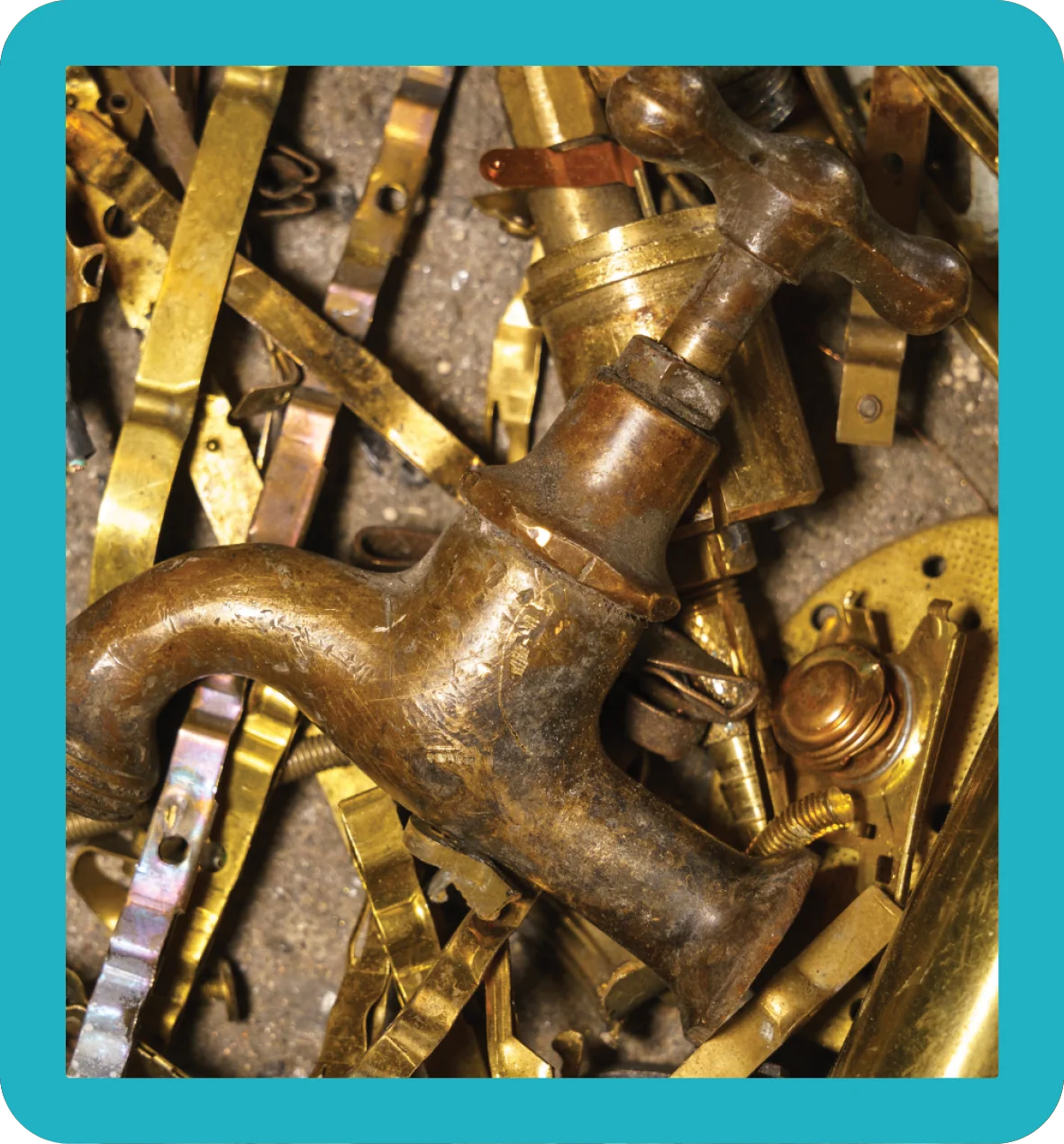
brass
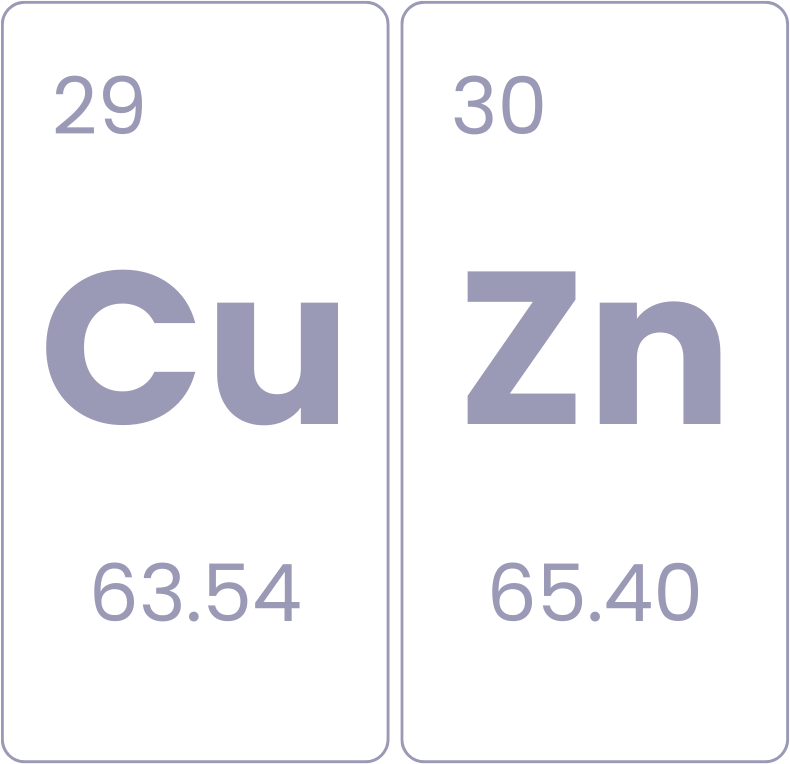
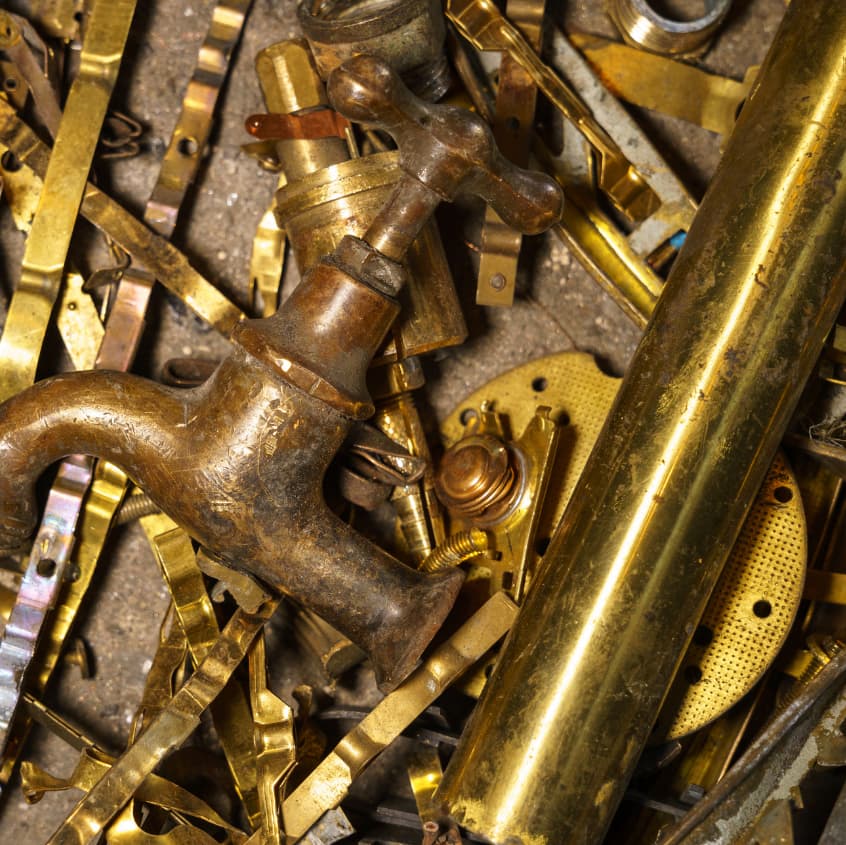
Brass is a non-ferrous alloy made from copper and zinc, typically yellow to gold in colour. It is commonly found in plumbing fittings, taps, valves, and hardware, and is graded based on cleanliness and the level of contamination.
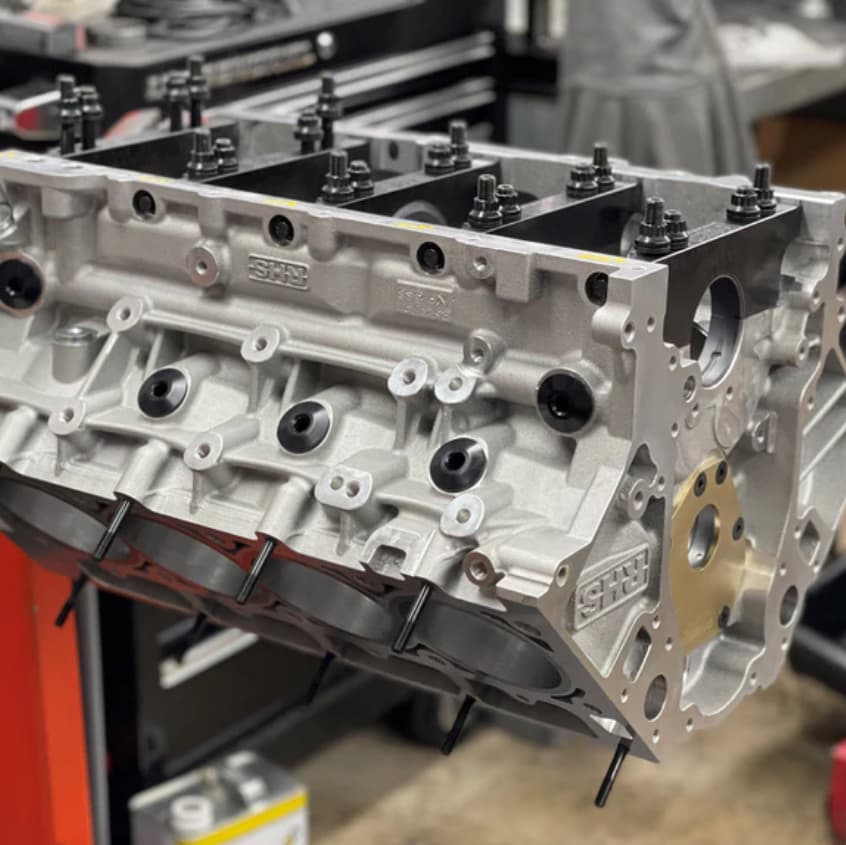
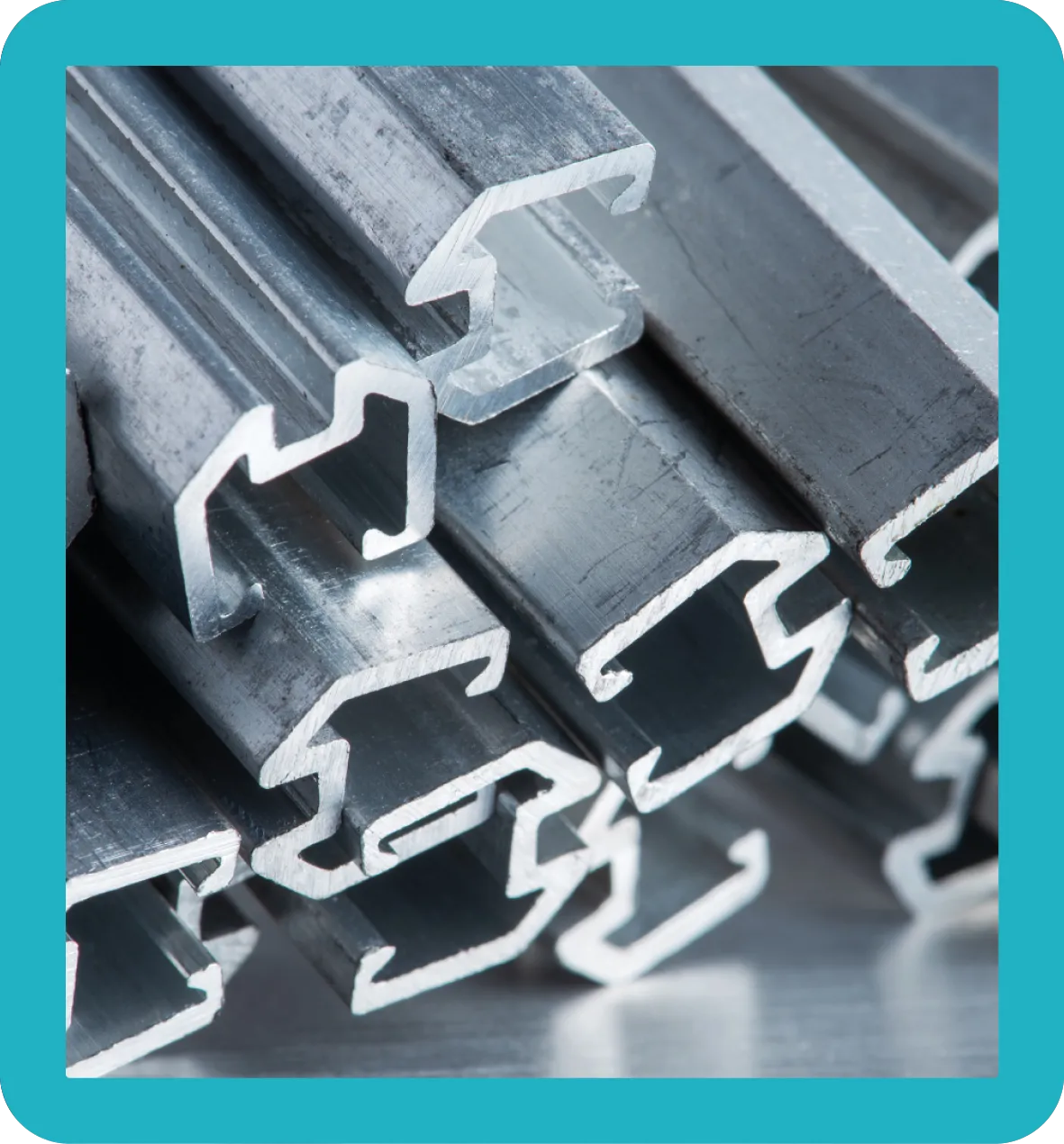
Aluminium is a lightweight, corrosion resistant metal commonly found in construction, automotive, and household applications. Aluminium scrap is recycled in several forms including cast, extrusion, domestic aluminium, and wire, each graded based on cleanliness and attachments.
aluminium
lead & batteries
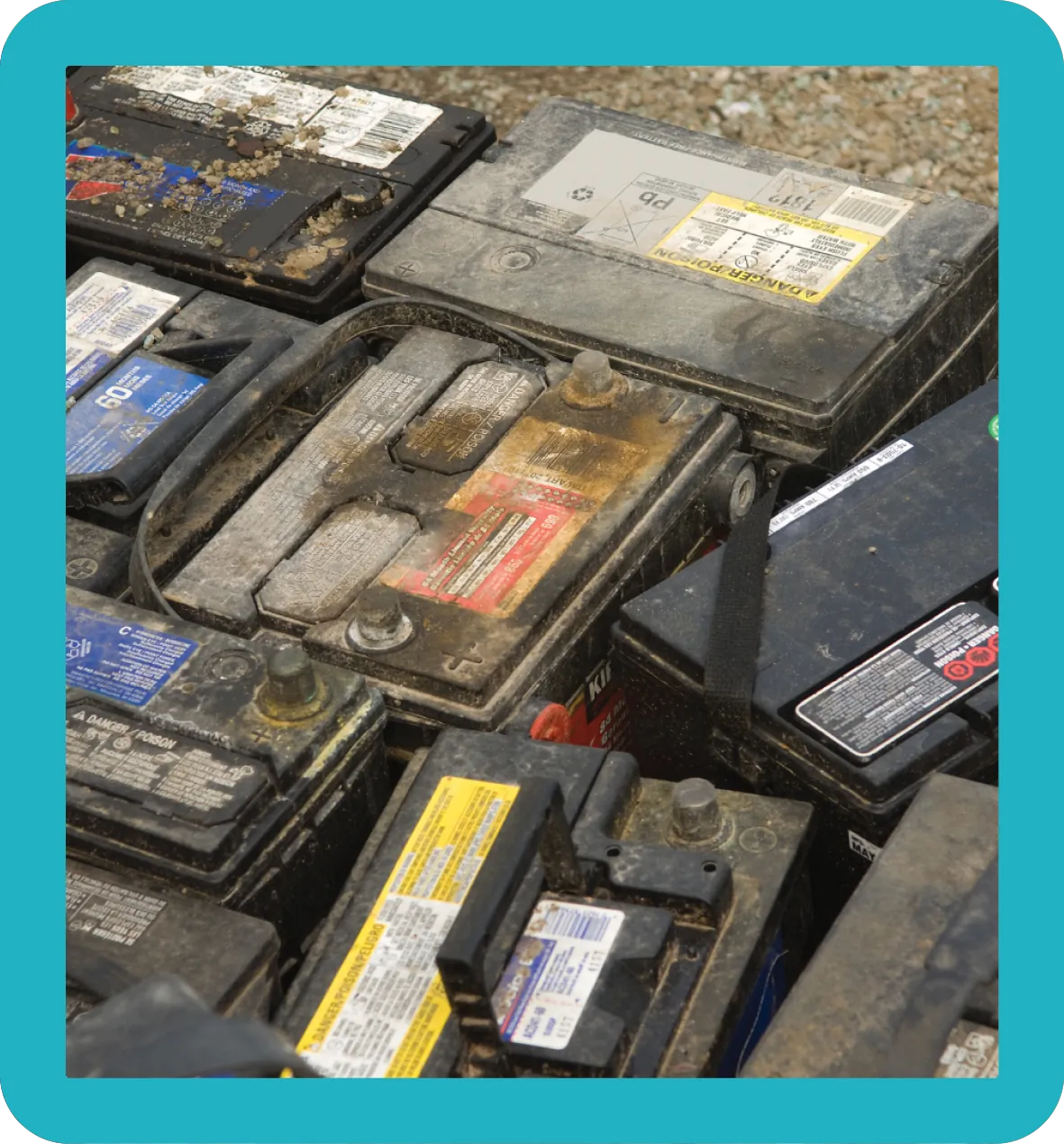
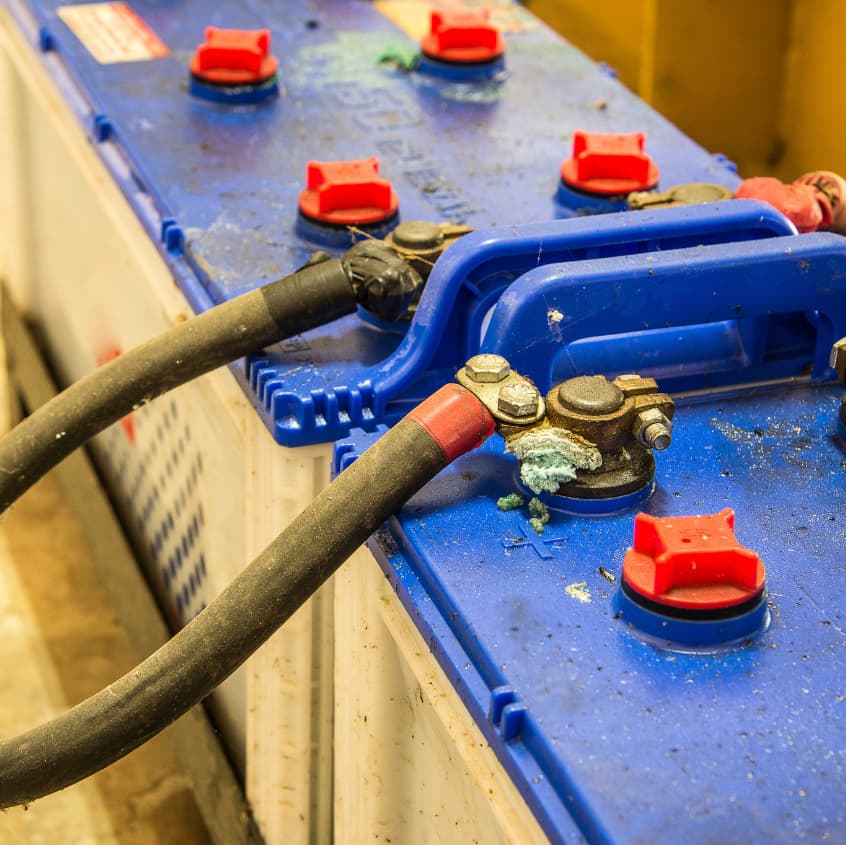
Lead is commonly found in lead-acid batteries, roofing lead, wheel weights, and certain cables. Because lead is classified as a controlled and hazardous material, it must be recycled through licensed yards that handle it safely and compliantly.
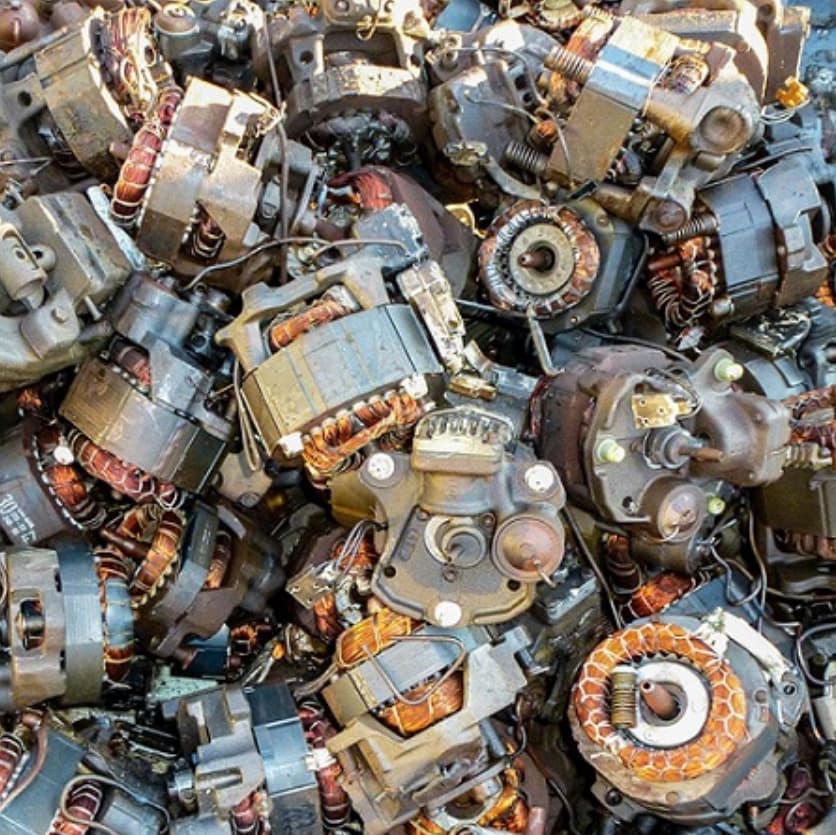
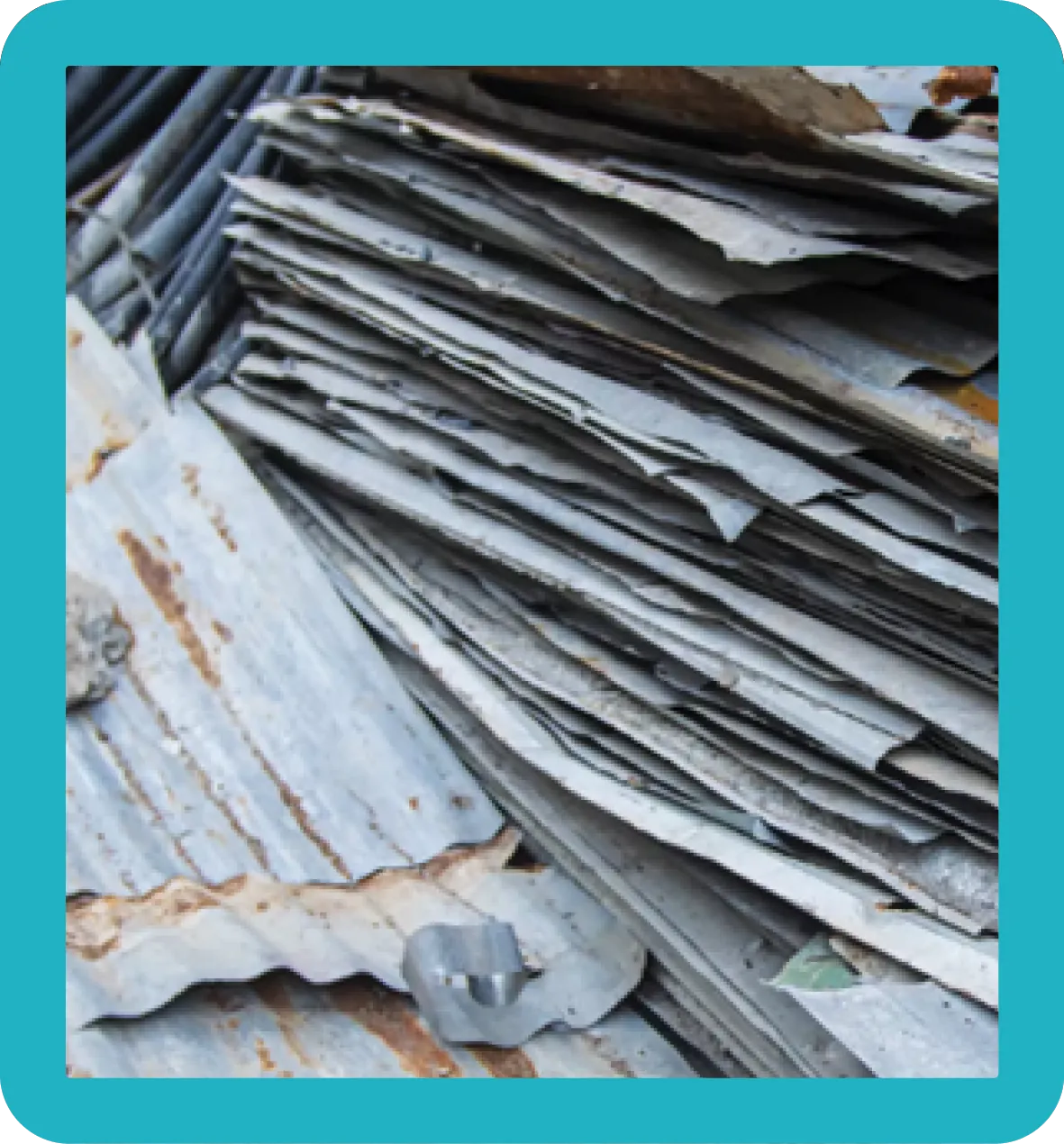
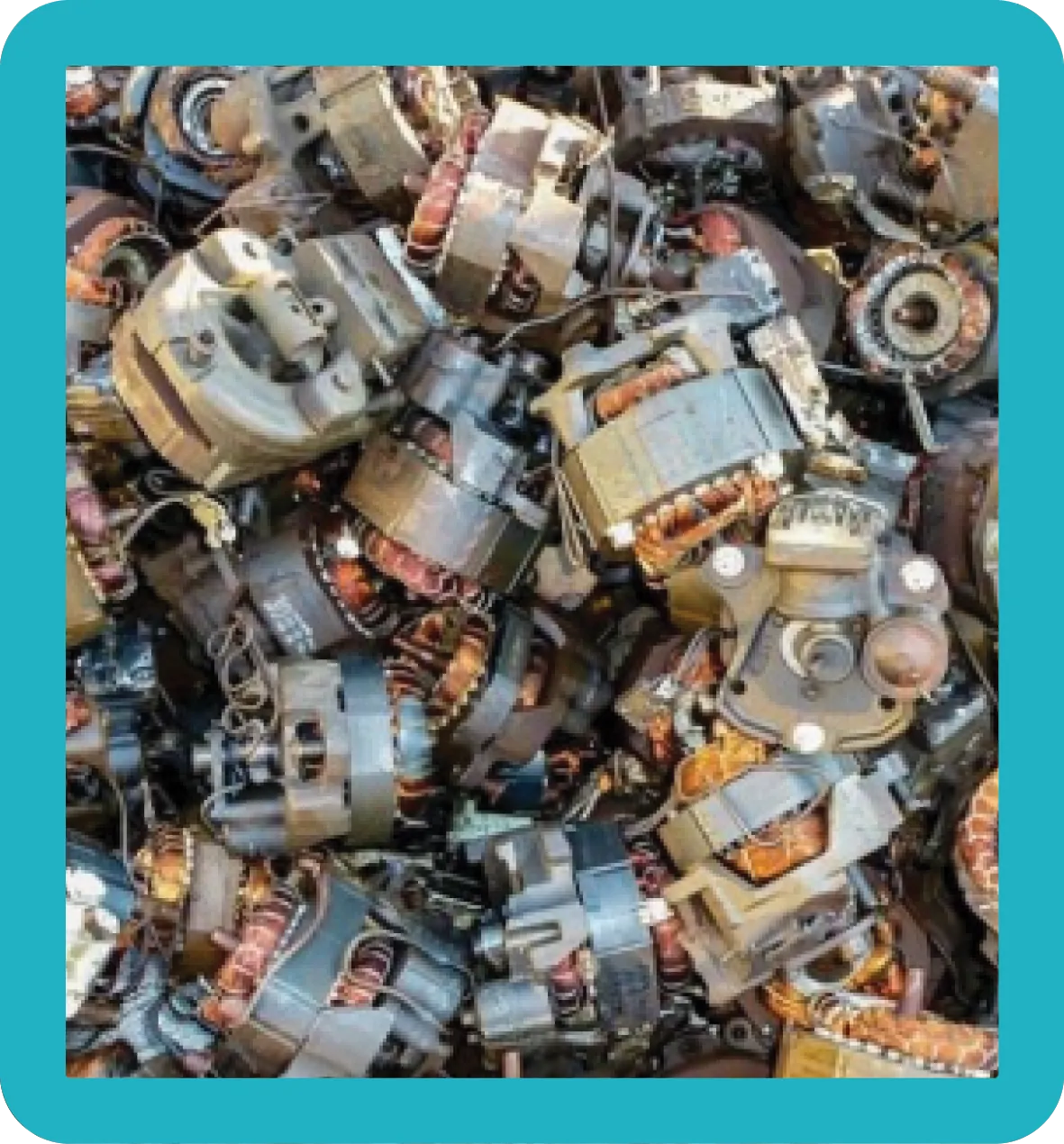
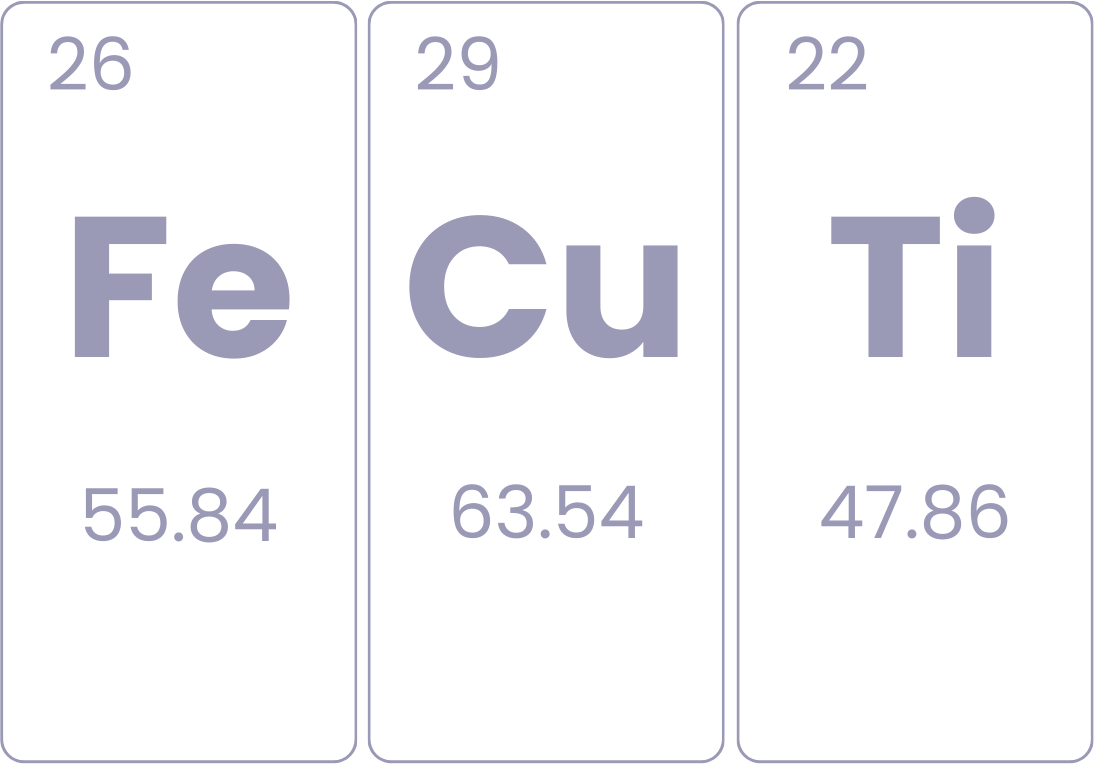
Motors include fridge and electric motors containing recoverable copper and steel, graded by size and condition. Other scrap metals also includes zinc from roofing & galvanised materials, and titanium, which is assessed individually.
motors &
other metals
catalytic converters
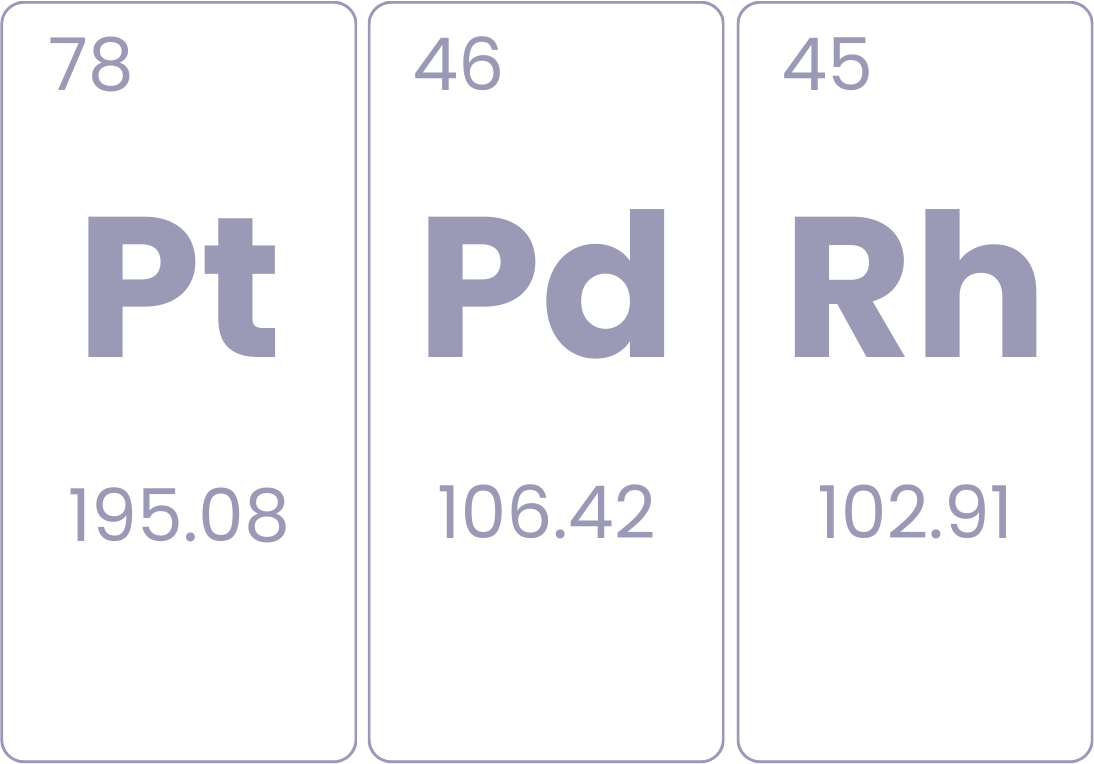
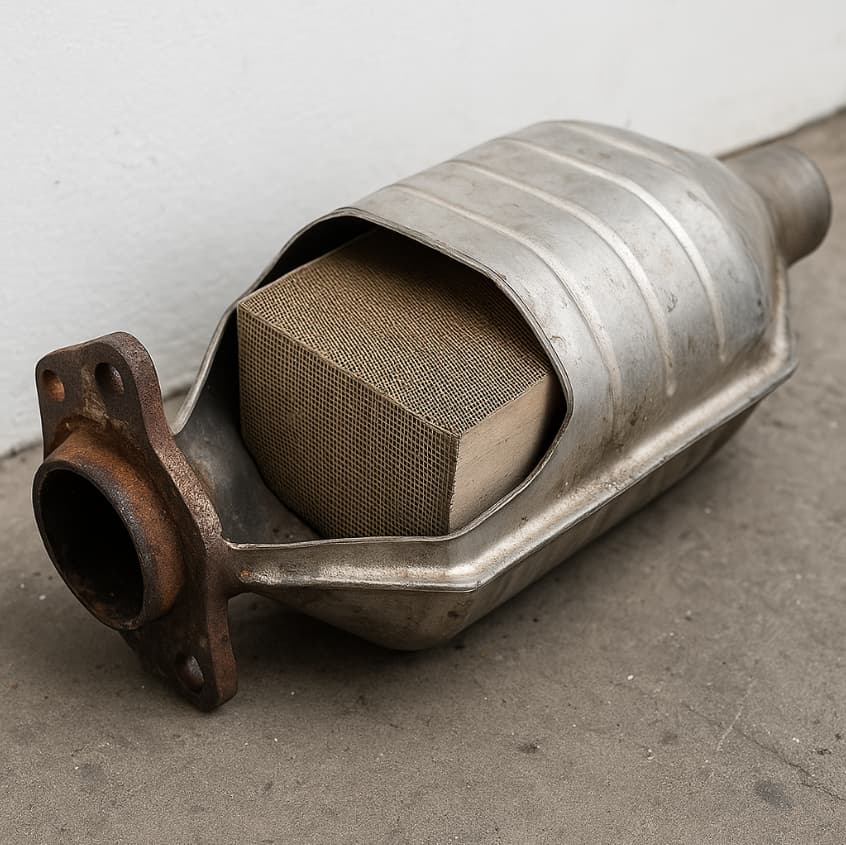
Catalytic converters are vehicle components that contain precious metals such as platinum, palladium, and rhodium. Values vary widely depending on the unit, so converters are individually assessed rather than priced by weight alone.
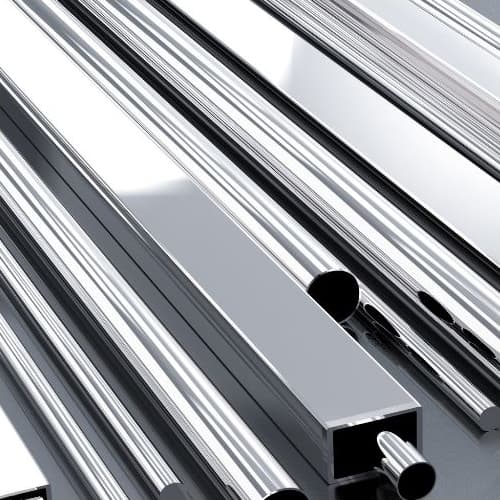
Stainless steel includes a variety of corrosion-resistant alloys commonly found in fabrication, kitchenware, industrial tubing, valves, and swarf from machining processes. We accept solid stainless steel, turnings and swarf from grades such as 304 and 316.
stainless steel
What Does Endless Not Accept?
We have a commitment to responsible scrap metal recycling and safe yard operations year-round. While we accept a wide range of ferrous and non-ferrous metals, some materials cannot be processed through a standard scrap metal facility due to environmental, safety, or regulatory requirements.
Hazardous, contaminated, or specialised waste items require certified disposal pathways to protect people, equipment, and the environment. Bringing prohibited materials into a scrap yard can pose serious safety risks and may breach compliance regulations.
If you’re unsure whether your material qualifies as scrap metal recycling, we recommend checking this list carefully before visiting. For restricted items, please use an approved hazardous waste or specialist disposal provider. Please ask our team if you’re unsure about any material you have.
We do not accept the following:
asbestos products
Asbestos is a hazardous substance. Any materials that may contain or be contaminated with asbestos will not be accepted on site.
contaminated drums
All drums must be completely emptied and cleaned of any liquids or residues prior to arrival. Drums containing liquids will be rejected.

decramastic roof tiles
Decramastic tiles may contain asbestos in the mastic (glue). Customers must provide official laboratory test results confirming the tiles are asbestos-free.
fuel tanks
Fuel tanks are a fire risk to our site. A Tanks containing fuel or vapours will be rejected.
rechargeable batteries
Rechargeable lithium-ion and nickel batteries are a fire risk. E.g. AA and AAA rechargeable batteries, smartphone, laptop, or power tool battery packs.
hybrid car batteries
Hybrid and EV lithium-ion batteries are a fire risk. These batteries will be rejected, picked up by customer, or sent to an approved recycler at the customer’s expense.
gas cannisters
Gas cylinders and canisters must be completely empty with their valves removed and clearly punctured to be accepted.
aerosols
Aerosol cans are pressurised and may pose a fire or explosion risk. Full or partially full aerosols will be rejected.
lithium & alkaline batteries
Loose lithium and alkaline batteries, such as button batteries, AA/AAA, C, D and 9V batteries, create fire risks.

ammonia fridges
Ammonia fridges cannot be accepted as they contain hazardous refrigerants that require specialised handling and disposal, posing health and climate risks.
biowaste
Biowaste cannot be accepted as it contains organic contaminants that can harbour pathogens, posing health risks, compromising the safety of scrap metal recycling.
motors with oil
Motors with oil cannot be accepted as residual fluids can leak and contaminate materials, posing environmental risks and requiring proper draining and treatment.